



08 Jul Building Character: The Tenets of a Brand Mascot
This whole ‘human existence’ thing, what a messy ordeal, right? Life is a constant cycle of new ideas and decisions, so sometimes we employ visual aids to help us navigate the journey. It’s no different when it comes to business—all types of brands use mascots to better connect with their audiences.
Pharmaceuticals use them to simplify subjects like disease.
Insurance companies use them to convey emotional values like trust.
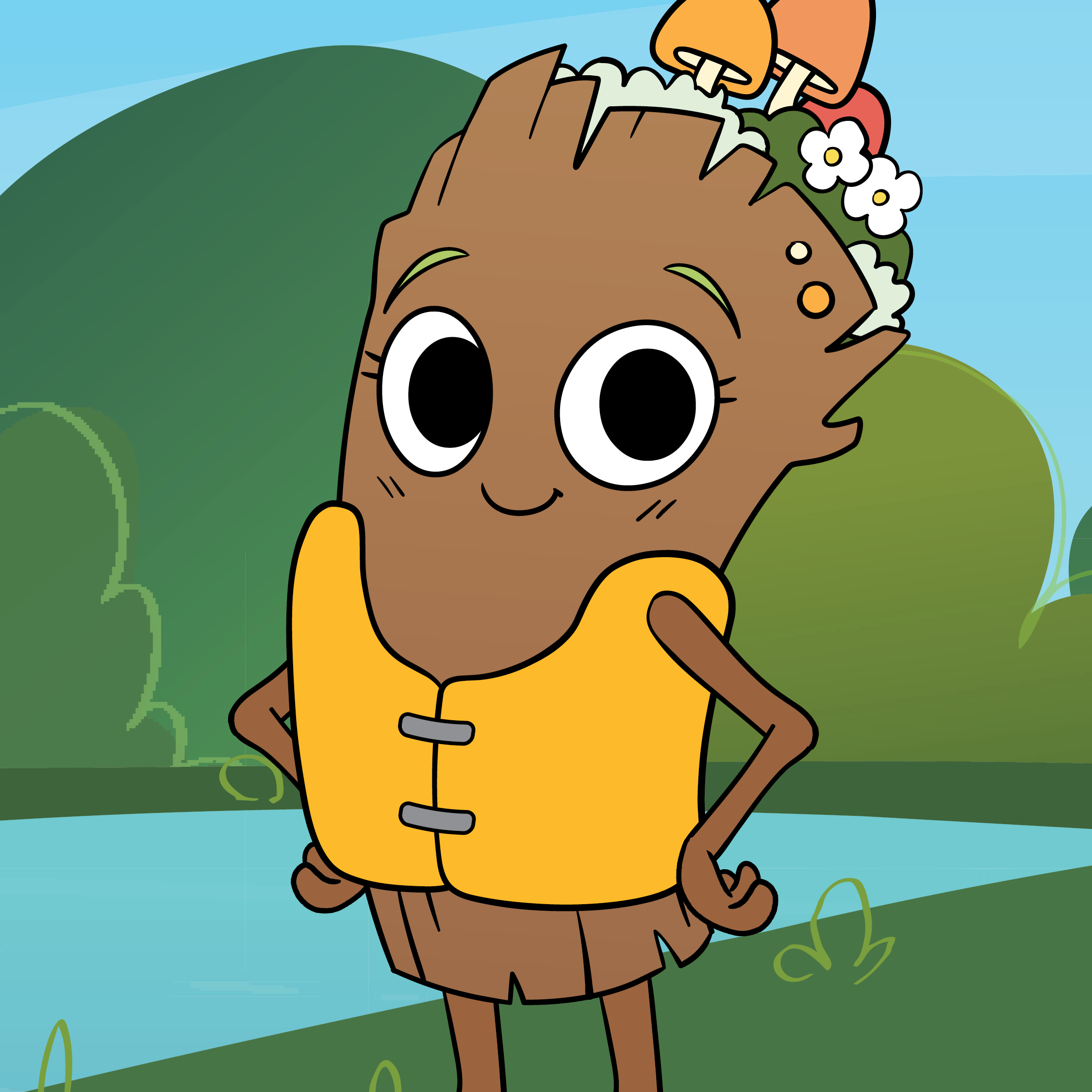
Or, as we did for the Pennsylvania Fishing & Boating Commission, use them to cultivate interest in children.
Your marketing campaign can take advantage, too. Depending on your needs, customizing a brand mascot can help achieve many goals, like:
-performing on a limited budget
-establishing an ownable identity
-expanding your digital and social presence
-providing cultural flexibility
But things really pay off when you know how to develop a brand mascot. We’ll briefly break down the process of character design, from sketch to screen. And speaking of brief…
Aligning expectations
Before any drawings reach paper, everyone must get on the same page. A good creative brief benefits you and your creative partner—it informs the creators about your brand’s tone, its audience, and the emotional goals you need accomplished. It also provides the right inspiration that unlocks the ideas you’re looking for. Ask the big questions:
-What is this character’s personality?
-What do they believe?
-How do they act and think?
-Where do they come to life?
-What type of response do we want from our audience?
The brief tells everyone where the finish line is located, and all the deliverables that have to cross it.
A sketchy sequence
This is where your character starts to take shape. Your creative partner will turn your brand personality into a visual model, refining the overall design system, color palette, body language, and other forms of expression.
Many illustrators and animators like to think with the good ole pencil and paper. So if you happen to spot a doodle, just know it’s a rough thought and not a rough draft.
The sketch phase is exploratory, designed to challenge possibilities and discover new directions. Maintaining open communication (and open minds) helps reduce budget costs, tighten the partnership, and protect the work’s final quality. This also helps you see how your brand strategy fits into the overall style. You’ll identify the steps taken within each iteration and can deliver more effective feedback more easily.
Character casting
Tony the Tiger’s energetic spirit represents how a great day starts with a good breakfast.
The Sour Patch Kids are mischievous and friendly, symbolizing the candy’s sour-then-sweet taste.
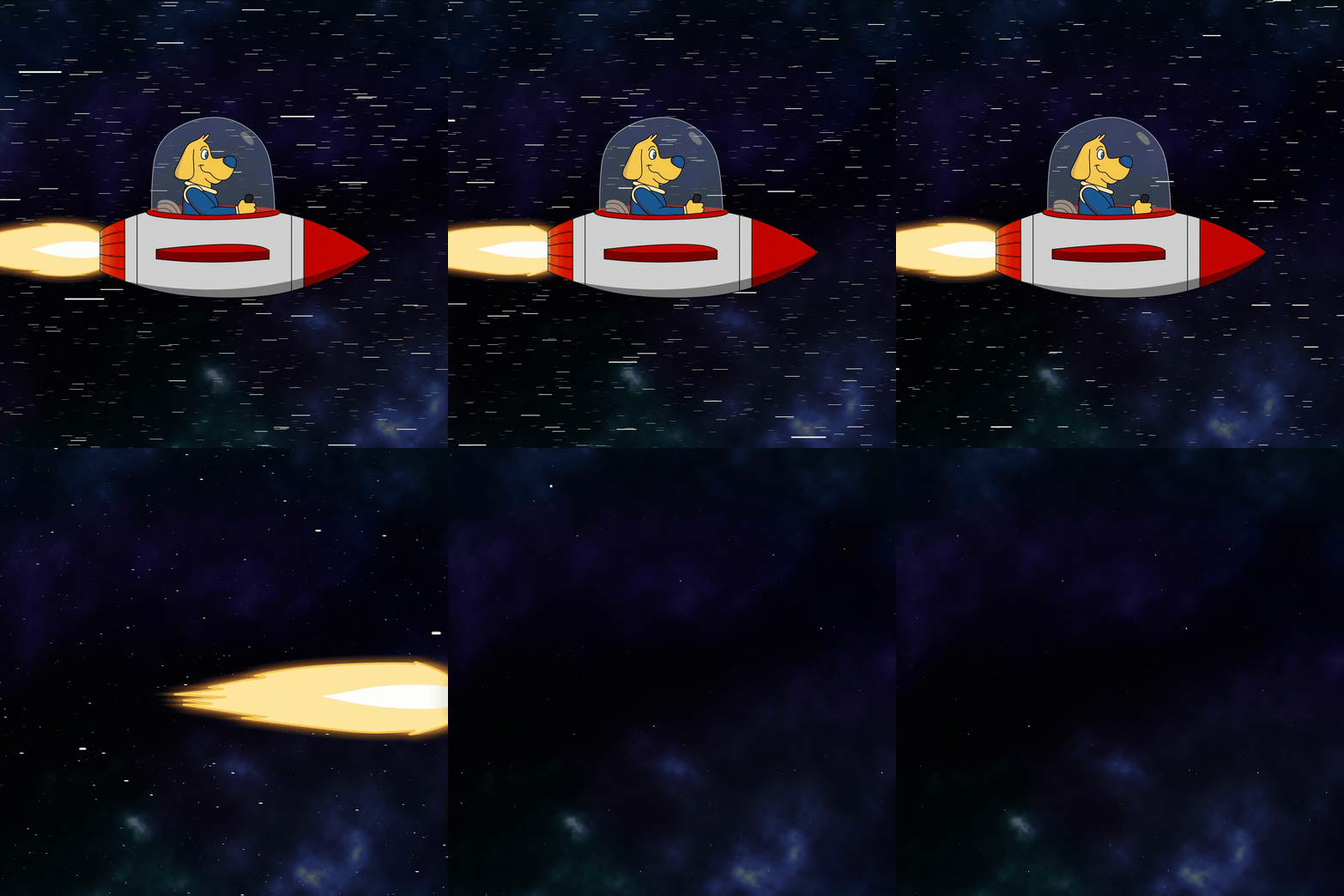
The greatest characters are more than cute. They’re brand ambassadors born from strategy, expressing what your brand believes in ways that live action cannot accomplish. Their looks, movements, and personality are reflective of your audience, building a relationship that connects emotionally and increases shareability. They’re also designed with scalability in mind. Does the character work the same way on a phone screen compared to a digital billboard? How about at a food festival? Or in a different language? Take Comet, for example. This is the Commonwealth Charter Academy’s (CCA) mascot, and he’s designed to inspire kids to excel at school.
Bringing them to reality
An animated character has tons of possibilities and applications, from educational materials to merchandising to more elaborate branded content formats like video series. Now the question is: will your character live exclusively in an animated world, or do you want to bring them into the physical world?
If they’re aimed to also perform in real-world scenarios, it all starts with developing a great costume strategy. Work with creative professionals to construct a costume that’s both built to last and nails your character’s identity. Consider your costume’s structure and materials: does it need to be designed for meet-and-greets, dance performances, or both? Can it hold props? Give hugs? And how does the costume feel to wear? Is the fabric lightweight, or is more ventilation needed? The brand ambassador inside must be comfortable. Their role often decides the overall execution of your game plan.
That makes finding the right performer all the more important. This is the person trusted with showcasing the soul of your character across different work environments. Take the time needed to do statewide casting and training sessions that instill your brand’s dos and don’ts. Collaborate with your performer and determine your mascot’s physical actions, how your character moves, and how those interactions can vary between demographics. For CCA, we had Comet attend events dedicated to young Hispanic students. The cyber school’s studious dog engaged with the kids in a fun way that helped increase year-over-year enrollment.
These are the basic principles of our Mascot Program, and they continue to deliver success. With these ingredients, you can cook up some magic, too.
Stick to the plan
Having a flexible logistics plan is a source of power, but not everything should be subject to changes. Your brand mascot needs to stay connected to the touchpoints originally established, and that means setting some boundaries. This is usually called a character bible, a practical set of guidelines that protect your brand mascot throughout its journey. This resource answers how your character operates on packaging and social platforms, and which events your costumed mascot attends. It preserves integrity if a new designer joins the team, or if new leadership helms the company. Your character bible is your strategic safety net that ensures your mascot never strays too far from its audience.
Draw to a close
All in all, brand mascots are powerful marketing tools, and understanding what it takes to create one produces more powerful work. Thinking about illustrating or animating characters for a future campaign? Let’s have a more detailed discussion.